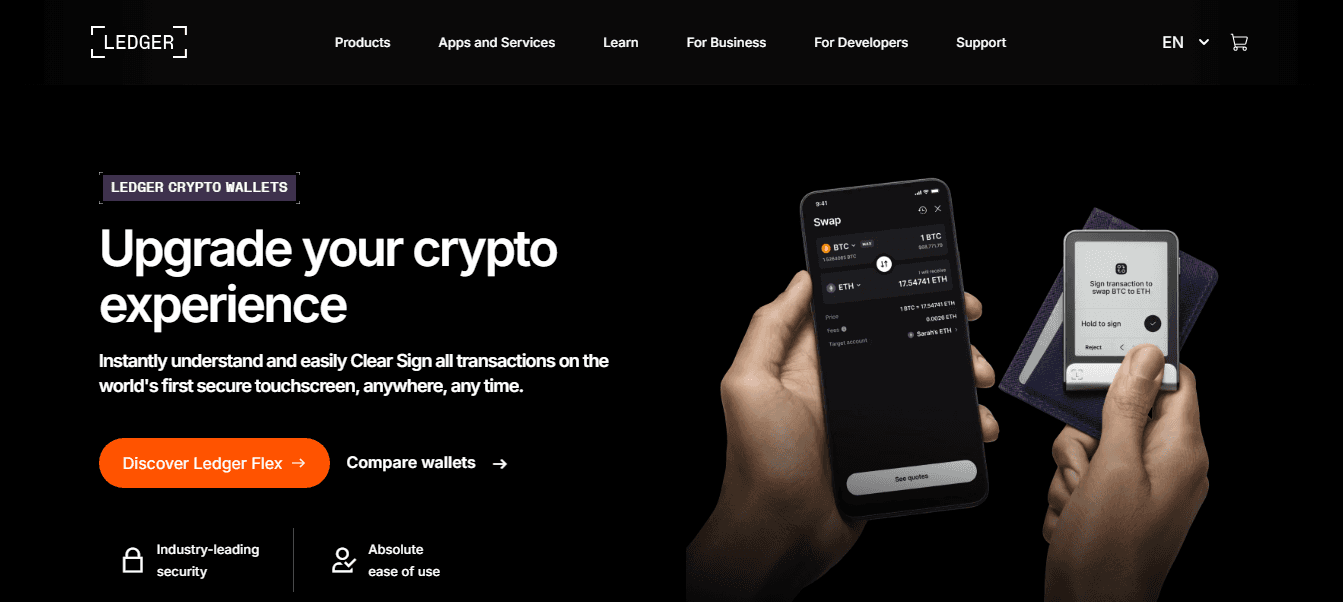
Ledger.com/start: Your Official Guide to Setting Up and Securing Your Ledger Hardware Wallet
Ledger.com/start is the official onboarding portal for anyone setting up a Ledger hardware wallet for the first time. It serves as the trusted starting point for initializing your device, learning how to manage digital assets securely, and ensuring your wallet is configured with the highest level of protection. As millions of people enter the world of cryptocurrency, safe setup practices have become more important than ever. Ledger.com/start is designed to guide users through the process step-by-step, reducing complexity while maintaining the strongest security standards in the industry.
At its core, Ledger.com/start ensures that new users begin their crypto journey safely. Because Ledger hardware wallets are built to protect digital assets from online threats, the initial setup is crucial. Visiting the official site prevents users from accidentally following unofficial instructions or falling for phishing websites that attempt to steal recovery phrases or sensitive information. Ledger.com/start emphasizes authenticity, safety, and clarity, which is why it is the only recommended source for initializing a Ledger device.
The setup process begins with choosing your device—whether it’s the Ledger Nano S Plus, Ledger Nano X, or any other supported model. Ledger.com/start provides clear links, visual instructions, and device-specific guides. After connecting the wallet to your computer or mobile device, users follow the on-screen prompts to begin configuration. One of the first steps is setting up a secure PIN code. This PIN is essential for protecting the device against unauthorized access. If the device is ever lost or stolen, this multi-digit PIN prevents others from using it.
Next, Ledger.com/start leads users through the creation of their 24-word recovery phrase, the most important element of wallet security. This phrase is generated directly on the hardware wallet itself, not on Ledger’s website or on your computer. Ledger.com/start repeatedly emphasizes that Ledger will never ask for this phrase online, through email, or in an app. The phrase should be written on the provided recovery sheet and stored offline in a secure place. It acts as the only backup to your private keys, meaning that anyone who has the phrase technically has full access to your crypto. The instructional portal educates users on how to store it safely, avoid digital copies, and protect it from theft or loss.
Once the PIN and recovery phrase are set, Ledger.com/start guides users to install Ledger Live, the official application for managing accounts, verifying transactions, buying crypto through partners, staking assets, and interacting with Web3. Ledger Live is available for both desktop and mobile, and the site offers download links to avoid fraudulent or modified versions. By following the official download process, users ensure they are installing authentic software rather than imitation apps that attempt to steal personal data.
Ledger.com/start then explains how Ledger Live interacts with the hardware wallet. The interface provides account visibility—showing balances, transaction history, asset performance, and options for adding new accounts—but all sensitive actions remain protected by the hardware device. Users must physically approve each transaction on their Ledger, preventing unauthorized activity. The site details this workflow clearly, helping new users understand why offline signing is such a powerful security model.
The onboarding portal also covers best practices for long-term crypto management. It highlights the difference between owning assets on centralized exchanges and holding them in self-custody. Through Ledger, users maintain full control over their private keys, meaning no exchange, company, or third party can freeze, mismanage, or seize their funds. Ledger.com/start educates new users on this concept, helping them understand the significance of independence in the crypto ecosystem.
Beyond initial setup, Ledger.com/start provides security guidance on topics such as avoiding scams, verifying genuine Ledger devices, recognizing phishing attempts, and ensuring safe communication between the wallet and Ledger Live. It encourages users to double-check URLs, avoid interacting with suspicious emails, and never disclose personal information or recovery phrases. This awareness is critical in a space where social engineering attacks are common.
Ledger.com/start also introduces users to the broader Ledger ecosystem. It outlines how to install apps for specific cryptocurrencies, how to add new blockchain accounts, and how to use Ledger Live to stake assets like Polkadot, Ethereum, or Tezos. For users who want to explore NFTs or DeFi, the site provides instructions on connecting Ledger securely to Web3 platforms. Regardless of how advanced the activity becomes, the hardware wallet remains the center of authentication, ensuring private keys remain offline.
What makes Ledger.com/start particularly valuable is its simplicity. The portal is designed for beginners but thorough enough for experienced users as well. It breaks down complex procedures into digestible steps, supported by illustrations, videos, troubleshooting tips, and frequently asked questions. The guidance is consistent with Ledger’s commitment to open, transparent, and safe crypto use.
Ultimately, Ledger.com/start represents more than just a setup page—it’s the foundation of a secure self-custody experience. By guiding users through PIN creation, recovery phrase protection, Ledger Live installation, and ongoing best practices, it equips individuals with the knowledge needed to manage their digital wealth responsibly. In an environment filled with digital threats, this official portal ensures that every Ledger user begins their journey the right way: safely, confidently, and fully in control of their financial future.